
Every commercial and municipal project requires a well-designed stormwater management system. It’s not optional. It’s foundational.
If runoff volume is underestimated, site constraints are ignored, or compliance planning is done too late, the result is costly delays, redesigns, and increased risk.
We know the pressure you’re under. Tight timelines. Budget control. Regulatory approvals that don’t wait.
This guide breaks down what contractors and project managers need to consider from day one—so you can plan smarter, bid confidently, and avoid surprises in the field.
What Contractors Must Consider When Planning a Stormwater Management System
When planning a stormwater management system for commercial or municipal sites, contractors must evaluate:
- Site constraints and available footprint
- Runoff volume and peak flow rates
- Soil conditions and groundwater levels
- Local and state regulatory requirements
- Integration of detention, treatment, and conveyance systems
- Long-term maintenance accessibility and lifecycle cost
Failing to address these early can lead to delays, redesigns, and compliance issues.
What Is a Stormwater Management System — and Why Does It Matter for Commercial and Municipal Projects?
A stormwater management system is an integrated solution designed to control, store, treat, and convey runoff generated by rainfall and snowmelt on developed sites.
For commercial and municipal projects, stormwater management systems must:
- Direct runoff volume from impervious surfaces
- Control peak flow rates
- Meet local and state regulatory requirements
- Protect surrounding waterways and infrastructure
On large-scale developments, unmanaged runoff can cause:
- Flooding and property damage
- Erosion and sediment transport
- Water quality violations
- Project shutdowns or failed inspections
A properly engineered system protects both the site and your schedule.
Effective stormwater planning starts with understanding the site.
How Site Conditions Impact Your Stormwater Management System Design
No two job sites are identical. That’s why stormwater design isn’t one-size-fits-all.
When planning commercial stormwater services or municipal stormwater infrastructure, the site drives the solution.
Site Constraints on Commercial and Municipal Stormwater Projects
Commercial and municipal sites often come with tight footprints.
You may be dealing with:
- Limited surface area on retail or industrial developments
- Urban density challenges in municipal environments
- Conflicts with existing utilities, foundations, or traffic patterns
When space is limited, underground solutions become essential—not optional.
Runoff Volume, Peak Flow Rates, and Impervious Surfaces
Modern developments increase impervious surfaces:
- Parking lots
- Roof systems
- Roadways
- Sidewalks
More impervious area means more runoff—and faster runoff.
Design considerations include:
- Detention vs. retention strategies
- Designing for peak flow events
- Accounting for extreme weather patterns
Failing to properly calculate runoff volume can overwhelm downstream systems and trigger compliance issues.
Soil Conditions, Groundwater Levels, and Infiltration Limits
Soil composition directly affects system selection.
- Clay soils limit infiltration
- Sandy soils allow more percolation
- High groundwater tables restrict underground storage options
Understanding these conditions early prevents costly redesigns and ensures the right underground detention system is specified the first time.
Stormwater Regulations and Compliance Requirements for Municipal and Commercial Projects
Regulatory compliance is one of the most critical components of municipal stormwater planning.
Commercial and municipal projects must address:
- Local and state stormwater regulations
- Water quality treatment standards
- MS4 requirements
- Inspection and approval timelines
Here’s the key: Compliance planning should happen before product selection.
When documentation is incomplete or specifications don’t meet code, projects stall. Revisions delay approvals. Costs increase.
We help contractors stay ahead of changing requirements by sourcing engineered solutions that align with current regulatory standards—so you’re not scrambling at the final review.
How Underground Detention, Treatment, and Conveyance Systems Work Together
A high-performing stormwater management system integrates three core components:
- Detention
- Treatment
- Conveyance
These are not isolated products. They must work together as one coordinated system.
Underground Detention Systems for Commercial Stormwater Management
Underground detention systems are responsible for:
- Store runoff below grade
- Control release rates
- Preserve valuable surface area
They’re ideal for:
- Commercial parking lots
- Urban developments
- Space-constrained municipal sites
By moving storage below grade, you maintain usable land above—without sacrificing performance.
Stormwater Treatment Solutions for Code Compliance
Water quality matters.
Treatment solutions such as hydrodynamic separators and water quality units help remove pollutants and meet regulatory discharge standards.
Without proper treatment, detention alone isn’t enough to meet compliance.
Stormwater Conveyance Systems: Pipe, HDPE, and Drainage Infrastructure
Conveyance systems move water efficiently through the site.
That includes:
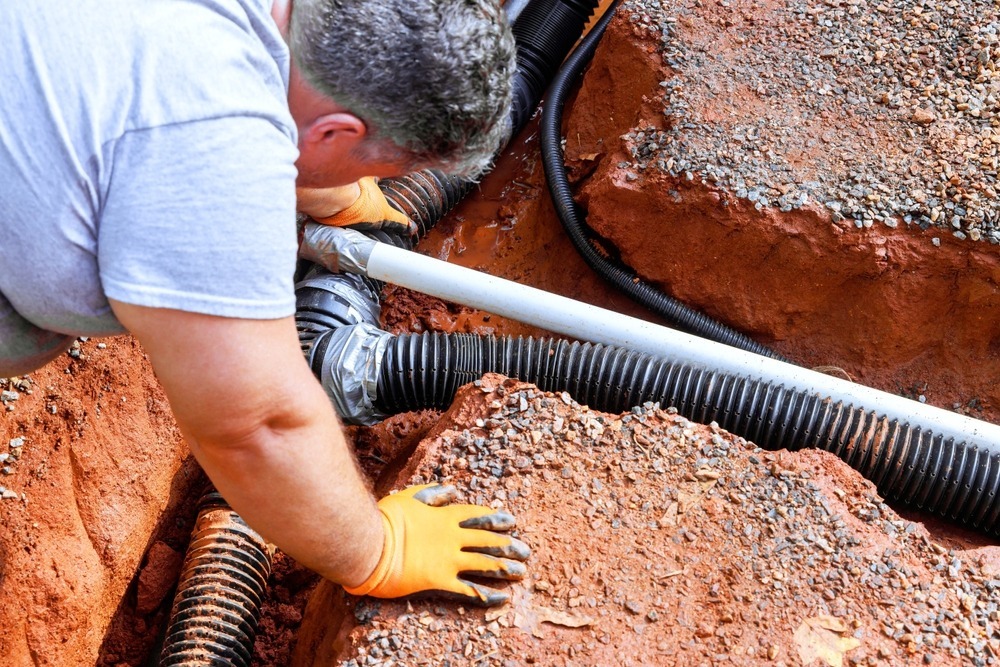
- HDPE pipe
- Fittings
- Drainage structures
Durability is critical. These systems must withstand soil and traffic loads, as well as long-term municipal use.
|
System Type |
Primary Function |
Best For |
Key Benefit |
|
Detention |
Temporarily stores runoff |
High-flow sites |
Controls peak discharge |
|
Retention |
Stores and infiltrates water |
Permeable soil sites |
Promotes groundwater recharge |
|
Treatment |
Removes pollutants |
Regulated sites |
Meets water quality standards |
|
Conveyance |
Moves water through the system |
All sites |
Ensures controlled flow |
The takeaway: A well-designed stormwater management system integrates detention, treatment, and conveyance—not just one solution.
How to Plan a Stormwater Management System for Long-Term Performance and Maintenance
Initial installation is only part of the equation.
Long-term performance impacts:
- Lifecycle cost
- Liability exposure
- Service interruptions
Design considerations for stormwater systems should include:
- Accessibility for inspection and cleaning
- Minimizing clogging and sediment buildup
- Selecting materials built for long-term municipal use
When systems are designed with maintenance in mind, you reduce ongoing operational costs and protect your reputation long after project completion.
That’s real ROI.
Why Engineered Stormwater Solutions from Manufacturers Like Kennedy Solutions Inc. Matter
On large-scale commercial and municipal projects, piecing together components increases risk.
Engineered systems are different.
Manufacturers like Kennedy Solutions Inc. design integrated underground detention solutions built specifically for commercial and municipal stormwater applications.
Benefits of engineered solutions include:
- Structural performance designed for long-term loads
- Code-compliant configurations
- Tested system components
- Reduced field modifications
Quality systems reduce risk—especially on competitive bids where margins are tight.
Choosing the Right Partner for Commercial and Municipal Stormwater Services
Managing multiple suppliers slows procurement and increases complexity.
Strategic project managers need:
- One-stop-shop convenience
- Reliable inventory
- Dedicated account support
- Coordinated sourcing for detention, treatment, and conveyance
At Etna Supply Company, we simplify sourcing so you can focus on delivering the project.
We provide:
- Engineered stormwater solutions from trusted manufacturers
- Support sourcing underground detention, treatment, and conveyance products
- Knowledgeable waterworks teams who understand installation challenges
- Local inventory and regional distribution for faster access
- Assistance coordinating products for complex commercial stormwater services
We solve problems—without the sales pressure.
Common Stormwater Planning Mistakes Contractors Should Avoid
- Underestimating impervious surface runoff
- Selecting products before confirming regulatory requirements
- Failing to coordinate detention, treatment, and conveyance
- Ignoring maintenance access during design
- Overlooking groundwater limitations
Frequently Asked Questions About Stormwater Management Systems
What is the purpose of a stormwater management system?
A stormwater management system controls, stores, treats, and conveys runoff from rainfall and snowmelt to prevent flooding, erosion, and water quality violations on commercial and municipal sites.
What is the difference between detention and retention in stormwater systems?
Detention systems temporarily store runoff and release it at a controlled rate.
Retention systems store water long-term and allow it to infiltrate into the ground.
Why are underground detention systems used in commercial projects?
Underground detention systems preserve usable surface space, making them ideal for parking lots, urban developments, and sites with limited footprint.
What regulations apply to municipal stormwater projects?
Municipal stormwater projects must comply with local and state regulations, MS4 requirements, and water quality discharge standards that govern runoff volume and pollutant removal.
How do detention, treatment, and conveyance systems work together?
A complete stormwater management system integrates:
- Detention to control volume
- Treatment to remove pollutants
- Conveyance to move water safely through the site
Each component must be designed as part of a coordinated system.
Planning Ahead Means Fewer Surprises in the Field
Successful stormwater projects start with proactive planning.
Evaluate site constraints early.
Account for runoff and regulatory requirements.
Integrate detention, treatment, and conveyance systems.
Select engineered solutions designed for long-term performance.
Work with partners who understand commercial and municipal stormwater projects.
When you plan ahead, you reduce risk in the field.
Build a Smarter Stormwater Management System with Etna Supply
Planning a commercial or municipal stormwater project?
Source engineered stormwater solutions and view real-time pricing once you’ve logged in or created an account.
Solutions You Need, Service You Trust.